
How to Get the Most from Live Odds Updates
I never bet without watching how the numbers shift. Live odds updates are the heartbeat of modern sports betting, and at Turbo Wins Casino I view them as a real-time dialogue with the bookmaker. Every shift indicates money flow, injury whispers, or tactical adjustments that aren’t in the mainstream broadcast yet. You can capitalize on that gap.
Grasp What Moves the Numbers
Odds aren’t random. I follow sharp money, public sentiment, and breaking team news because those three forces generate predictable patterns. When a key defenseman misses warm-ups in an NHL game, Canadian hockey markets respond violently within seconds. Steam moves—sudden synchronized line shifts across multiple books—show that professional syndicates have acted. Following those footprints offers me an edge before the recreational crowd reacts.
Weather reports also affect totals aggressively. A sudden wind advisory at BMO Field turns an Over 2.5 goals bet into a trap. I keep meteorological feeds open alongside my Turbo Wins Casino dashboard because moisture, gusts, and turf conditions change expected scoring rates. Spotting whether a move originates from informed money or panicked public overreaction decides whether I fade or back the adjustment immediately.
Master the Cash-Out and Hedging Strategy
Turbo Wins Casino delivers adjustable cash-out options that I approach as strategic tools, not alarm triggers. When my pre-match underdog grabs a shocking early lead but expected goals models predict regression, I cash out a portion and let the rest play out. This hybrid approach secures profit while maintaining upside exposure. Full cash-outs are logical only when a game’s core narrative flips—like a quarterback ejection modifying offensive capacity entirely.
Partial hedging through live opposing wagers achieves comparable results with more precise control. If I supported the Raptors at +5.5 and they race to a 15-point halftime advantage, I might take the opponent’s live spread to create a middle opportunity. Both sides can win. Understanding the math behind these moves keeps me from over-insuring and reducing long-term expected value through excessive commission drag.
Incorporate Live Stats Feeds Straight
Possession metrics, shot maps, and expected goals timelines need to overlay your odds screen. I run a second device devoted to advanced metrics because raw scoreboards mislead. A soccer team trailing 1-0 but producing 2.3 xG to the opponent’s 0.4 indicates the live underdog price is mispriced. Books sometimes lag in integrating underlying performance data, especially in lower-tier leagues where algorithmic scraping is less advanced.
For basketball, I watch pace and offensive rating deviations from season averages in real time. When a usually slow-paced team suddenly competes at a top-ten tempo due to matchup dynamics, the live total often remains too low for several possessions. I strike before the adjustment. Hockey Corsi events and high-danger chance counters fulfill the same function—they show which side truly controls play regardless of the scoreboard illusion.
Exploit Time-Sensitive Market Inefficiencies
During hockey intermissions or at tennis changeovers, oddsmakers temporarily widen spreads to protect themselves from unknown information. I attack those windows. The two minutes after a Maple Leafs power-play goal features inflated underdog prices on the next period’s outcome because algorithms overreact to momentum. My manual analysis knows that scoring rates regress, so I capture the value before the model recalibrates.
Soccer halftime markets offer another golden inefficiency. Books modify the 1X2 lines mechanically based on the current score, often undervaluing tactical shifts a manager implements during the break. Observing a Serie A match where a team switches to a back three without the odds reflecting the defensive tightening enables me to pounce on Under 1.5 second-half goals at generous prices. Tactical literacy yields returns.
Interpret the Market as a Trader, Rather Than a Fan
Emotional involvement destroys bankrolls. I examine live odds movements with the clinical detachment of a day trader watching order flow. When the Vancouver Canucks surrender an early soft goal and the live moneyline inflates, I ask whether the goal was process-driven or fluky. A deflection off a skate doesn’t affect my pre-match assessment, so I buy the drop aggressively. Dividing narrative from probability requires discipline I’ve cultivated over thousands of live sessions.
Volume indicators are also important. A line that moves without heavy betting handle implies a bookmaker adjusting for liability rather than new information. I fade those cosmetic shifts. Conversely, a line that resists moving despite lopsided ticket counts points to sharp resistance on the other side. At Turbo Wins Casino I monitor the percentage of bets versus percentage of money metrics to differentiate public enthusiasm from professional conviction.
Build Personal Trigger Alerts
I set up threshold notifications for specific scenarios rather than checking screens obsessively. If a CFL total drops below 48.5 after opening at 52.5, my alert fires because that magnitude of movement suggests weather or quarterback change. Similarly, I set alerts for tennis live odds when a favorite drops serve early—the outright winner market often overcorrects, creating value on the rattled champion who statistically recovers more often than not.
Turbo Wins Casino’s platform allows me to tag markets and receive push notifications when odds cross my defined boundaries turbowins-casino.ca. This passive monitoring allows me to research upcoming matches while staying tethered to live action. I never chase every movement; I hunt specific patterns I’ve backtested. Alert fatigue kills edge, so I hold my triggers sparse and high-conviction, zeroing in on scenarios where historical data backs a profitable reaction. My core alert framework follows three rules:
- Activate only on threshold magnitude moves—minimum 5% line shift from opening
- Need confirming signal from at least one additional data source before acting
- Cap active alerts to five simultaneous markets to prevent cognitive overload
Build a Multiple Monitor Control Hub
One screen for odds, another for the broadcast, a third for social media injury scoops. I hate to toggle tabs while a line crumbles. At Turbo Wins Casino the live betting interface loads without refresh lag, so I devote a full monitor to their dynamic markets. The broadcast runs on a slight delay, which means I often spot a goal probability spike on my screen before the announcer screams. That latency advantage is a huge edge.
I also run a private Twitter list of beat reporters who leak lineup scratches before official releases. A backup goaltender starting in Edmonton shifts puckline value ten cents before the books adjust fully. My command center lets me absorb that intel and place the wager while the old number still hangs. Speed matters, but organized speed wins consistently. Here is exactly what I keep open on game day:
- Primary monitor: Turbo Wins Casino live odds dashboard with multi-market view
- Auxiliary display: Broadcast feed with DVR capability to rewind key sequences
- Third screen: Advanced stats feed showing expected goals, Corsi, and pace metrics
- Secondary browser tab: Curated Twitter list of beat reporters and injury insiders
- Cell phone: Push alerts for threshold-based odds movements I have pre-programmed
Implement Bankroll Segmentation for Live Sessions
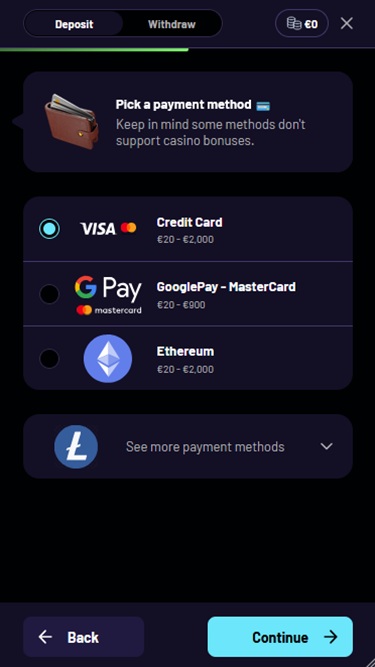
I dedicate a specific live betting bankroll apart from my pre-match funds. This blocks me from depleting tomorrow’s carefully researched positions on today’s hasty in-play reactions. My live bankroll stands at roughly twenty percent of my total allocation, structured to handle the higher variance that comes with rapid-fire decision making. Turbo Wins Casino’s deposit tools make this segmentation effortless to maintain across multiple sessions.
Within that live allocation, I use flat staking tiered to confidence tiers. High-conviction mispricing bets get full units; https://www.skysports.com/football/news/11712/10261535/premier-league-2015-16-how-the-odds-changed-as-leicester-claimed-the-title speculative middling attempts get half-units. I never raise stakes to recoup a losing live bet because tilt intensifies disaster when decisions shrink into seconds. Recording every live wager with a timestamp and rationale forces accountability and uncovers whether my real-time reads actually beat the closing line consistently over large samples.
Review Your Live Betting Betting History Weekly
Initial feeling seems precise when it happens but recollection skews results. On Sundays I download my Turbo Wins Casino betting history and classify live wagers by sport, market type, and trigger source. This audit reveals which patterns genuinely create profit. My tennis third-set live bets dominated last quarter; my NBA fourth-quarter totals drained gradually. Without this granular review I would persist allocating capital to negative-expectation situations driven by selective recall of wins.
I measure closing line value as my primary performance metric. Beating the closing odds by even three cents reliably proves I’m deriving genuine edge rather than riding variance. The audit also highlights timing leaks—maybe I move too early before confirmation or too late after value fades. Modifying reaction speed using empirical data refines my execution far more effectively than believing gut feelings about when I supposedly perform best.